Hong Kong incorporation fee & Aspire
 cashback.


Table of Contents
Digital assets have rapidly transformed the global financial landscape, with values experiencing unprecedented fluctuations. This volatility has prompted growing interest in cryptocurrencies as a potential avenue for sustainable wealth creation. To safeguard investments and ensure regulatory compliance, many entrepreneurs are considering doing business in crypto-friendly countries.
In today’s article, we examine leading countries for setting up a crypto enterprise, focusing on clarity, tax advantages, and offshore opportunities. These jurisdictions offer endless potential. However, it is essential to recognize the inherent risks, particularly for those new to the sector, and to approach investment decisions with careful planning and informed guidance.
Best crypto-friendly countries for digital assets
Regulatory frameworks for digital assets are evolving rapidly in many jurisdictions, and 2026 has brought several important developments to most crypto-friendly countries. Notably, crypto-friendly does not always mean low tax; it also includes regulatory clarity, licensing accessibility, and ecosystem maturity.
United States
In the U.S., the Internal Revenue Service (IRS) classifies cryptoassets as property, meaning gains and losses are recognized when an asset is sold, exchanged, or used for payment. Staking rewards, mining proceeds, and airdrops are generally treated as ordinary income at the time they are received. Later dispositions may generate capital gains or losses.
Beginning in 2025, the IRS has introduced phased reporting requirements under Form 1099-DA. These rules require certain brokers to report crypto transactions, improving visibility over taxable events such as token swaps and crypto payments.

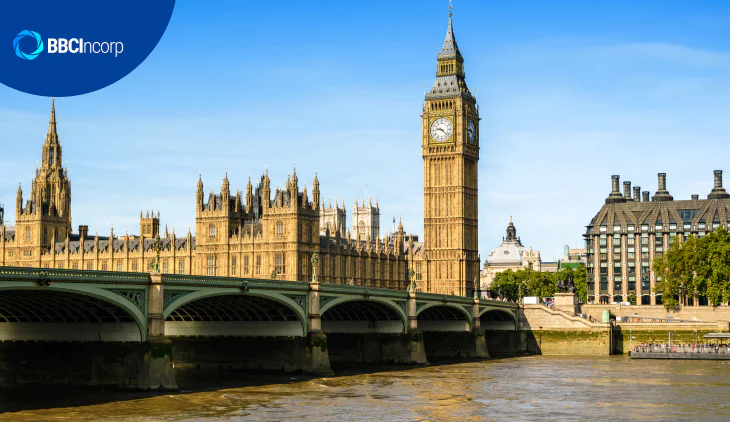
United Kingdom
In the United Kingdom, cryptoassets are not legal tender but are fully recognized for tax purposes. HM Revenue and Customs (HMRC) treats disposals, including selling, swapping, or spending crypto, as chargeable events under Capital Gains Tax. Income from mining, staking, or airdrops may also be subject to Income Tax.
The UK is aligning with the OECD’s Crypto-Asset Reporting Framework (CARF), with expanded reporting obligations expected to take effect from 2026, aiming to strengthen transparency and link crypto transactions more closely to tax reporting requirements.
Germany
Germany offers a relatively favorable regime for private investors. Under its Income Tax Act, gains from crypto held for more than twelve months are generally tax-exempt. If disposed of within one year, gains are taxable only if total private disposal profits exceed €1,000 annually.
Crypto-related income, such as staking or mining rewards, is treated as ordinary income at the time of receipt. Authorities have also emphasized the need for detailed transaction records, including timestamps, wallet data, and valuations.

Switzerland
Switzerland maintains a structured regulatory approach through the Swiss Financial Market Supervisory Authority (FINMA). Guidance issued in 2024 clarified requirements for stablecoin issuers, including the use of bank guarantees and stricter identity verification.
Anonymous transfers are restricted, and all activities must comply with anti-money laundering standards. Switzerland continues to position itself as a compliant and well-regulated crypto hub.

Singapore
The Monetary Authority of Singapore (MAS) has implemented stricter regulations, leading to a tightening of the crypto regulatory environment in Singapore. All digital token service providers (DTSPs) that serve overseas clients must hold a MAS license under Singapore’s Financial Services and Markets Act (FSMA). MAS has stated that the licensing bar for these overseas‑only providers is high, citing concerns about money laundering and supervision.
On the tax side, Singapore does not impose Capital Gains Tax on personal crypto trading, making it one of the countries with no crypto tax. Profits from buying and selling crypto as an individual are generally tax‑free. However, if you receive crypto as part of business income (for example, payment for services), that income might be taxed.
Finally, MAS’s 2025 updates also include stricter consumer protection. Licensed DTSPs are required to keep client assets segregated, perform daily reconciliations, and comply with KYC/AML standards.

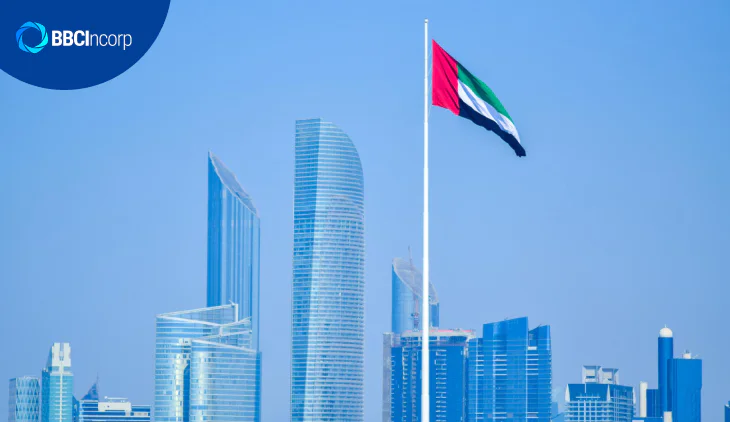
United Arab Emirates
In Dubai, on 19 May 2025, the Virtual Assets Regulatory Authority (VARA) published Version 2.0 of its rulebooks, and it mandated that all Virtual Asset Service Providers (VASPs) comply by 30 June 2025.
A notable innovation is the “sponsored VASP” model: smaller or newer firms can operate under a licensed sponsor, which handles regulatory responsibilities such as capital adequacy, audits, and reporting. VARA also revised its issuance framework. Per the new regime, Category 1 tokens (including stablecoins) require prior approval, whereas Category 2 tokens (e.g., utility tokens) must be distributed by licensed entities.
At a federal level, the Central Bank of the UAE (CBUAE) has introduced the Payment Token Services Regulation (PTSR), effective from August 2024, which governs fiat-referenced stablecoins (FRVAs). Under the regulation, issuers of non-AED stablecoins (a digital asset with a stable value, but its price is pegged to a currency other than the United Arab Emirates Dirham) must either register or be approved by the CBUAE, with additional restrictions on interest or incentive payments.
Hong Kong
Hong Kong has established a fully supervised digital asset ecosystem through oversight by the Securities and Futures Commission and the Hong Kong Monetary Authority.
Virtual Asset Trading Platforms must obtain licenses and meet requirements on custody, client asset protection, and market transparency. The regime also supports regulated access for retail investors under licensed platforms.
Recent developments include a stablecoin framework that introduces authorization and monitoring requirements for issuers.

British Virgin Islands
The British Virgin Islands regulates virtual asset businesses under the Virtual Assets Service Providers Act 2022. All operators, including exchanges, custodians, and token issuers, must register with the Financial Services Commission (FSC) and comply with governance, risk management, and AML/CTF standards. The Act also specifies internal control obligations, reporting requirements, and fit-and-proper criteria for directors and officers.
The jurisdiction imposes no personal or corporate income tax, nor capital gains tax, for most offshore structures. In addition, the BVI also provides established corporate structures for holding assets, conducting token issuance, or operating multi-jurisdictional entities for cryptocurrency in the BVI.

Seychelles
Seychelles introduced the Virtual Assets Service Providers Act 2024, establishing a licensing and supervisory regime for exchanges, custodians, and other service providers. The Financial Services Authority (FSA) manages licensing approvals, compliance monitoring, and enforcement. Companies are required to implement AML/CTF policies.
Cryptocurrency-accepted countries offer low taxation and privacy protections for corporate owners. Still, VASP operators must maintain adequate reserves, implement custody safeguards, and establish contingency measures for operational disruptions. In reality, Seychelles has been used by several high-profile exchanges and service providers.

Cayman Islands
The Cayman Islands is a tax-neutral environment with no personal income, corporate income, or capital gains taxes for most international structures. The Virtual Asset Service Providers framework requires licensing, registration, and ongoing reporting for exchanges, custodians, and token issuers.
The regulatory regime includes clear licence categories, reporting standards, and audit obligations. As a result, the business must ensure the segregation of client assets, cybersecurity measures, and develop continuity plans. Cayman’s financial services infrastructure supports institutional-grade operations, including investment funds, custody solutions, and cross-border ventures under a recognised compliance structure.

Bahamas
The Commission licenses VASPs and supervises governance, custody, market conduct, and AML compliance. The operators in the Bahamas must file annual reports and may undergo inspections or audits to verify adherence to regulatory standards.
Tax-free crypto countries do not impose personal income or capital gains taxes on most offshore entities. Licensed VASPs are also required to foster risk management policies, segregated client accounts, KYC procedures, and safeguards, including cybersecurity protocols.
Anguilla
Anguilla offers a streamlined framework for digital asset activities via the Digital Assets Business Act. The legislation sets licensing obligations and operational standards for VASPs and supports utility-token issuances. Tax neutrality applies to individuals and companies in most structures, with no personal or capital gains taxation.
The jurisdiction attracts early-stage projects, token issuers, and intellectual property holding entities that value simplified administration and transparent compliance requirements.
St Kitts and Nevis
St Kitts and Nevis requires all Virtual Asset Service Providers (VASPs) to register with the Financial Services Regulatory Commission. Licensed operators must implement anti-money laundering programs, maintain segregated client accounts, and submit regular reports on operations and compliance.
The jurisdiction does not levy personal income or capital gains taxes for most offshore entities. Its corporate law supports flexible structures for exchanges, custodians, and token projects for foreign and domestic businesses.
Panama
Panama is in the process of developing a regulatory framework for digital assets. Proposed legislation outlines licensing, governance, and compliance requirements aligned with international standards.
Although not fully enacted, Panama’s territorial tax system allows foreign-sourced income to remain largely untaxed, making it a potential option for international structuring.
Cross-jurisdictional observations
When viewed together, regulatory trends point to several common themes.
First, reporting obligations are increasing: the U.S. is expanding broker disclosure via Form 1099-DA, and the EU’s MiCA regime demands consistent governance, transparency, and capital controls.
Second, stablecoins are under particular scrutiny: Switzerland requires identity verification and default guarantees, and Dubai imposes licensing and reserve rules for issuance.
Third, licensing complexity is rising, with newer frameworks in the EU and UAE requiring prior approval, and transitional arrangements giving regulated providers time to adjust.
Most importantly, many jurisdictions are aligning more closely with global standards such as the Financial Action Task Force (FATF).
What defines a crypto-friendly country?
A crypto-friendly country provides a clear and predictable environment where digital asset businesses can operate with confidence. This typically includes transparent regulations governing trading, token issuance, custody, and licensing, along with tax policies that do not discourage participation.
Jurisdictions with low or no capital gains tax and straightforward reporting rules are often attractive. However, regulatory clarity and legal certainty are now equally important, especially as global compliance standards continue to tighten.
Beyond tax, the strength of the ecosystem also matters. Countries with advanced financial infrastructure, access to skilled talent, active blockchain communities, and institutional support offer stronger long-term advantages. Singapore, for example, stands out for combining regulatory structure with innovation support.
There are pros and cons of having an offshore cryptocurrency company, and crypto tax-free countries provide legal certainty, tax efficiency, business support, and technological readiness.
The world’s least crypto-friendly countries
Despite the growing global adoption of cryptocurrencies, several countries maintain restrictive or unfriendly policies regarding cryptocurrencies. Below are four key examples where regulation or taxation creates obstacles for crypto investors and businesses.

China
To begin with, China maintains one of the strictest approaches to cryptocurrency. Financial institutions are prohibited from offering crypto-related services, and domestic cryptocurrency exchanges are not permitted to operate. Although the government continues to promote its own central bank digital currency, private crypto activities remain effectively banned. As a result, businesses cannot legally establish or run crypto operations within the country under current regulations.
The Netherlands
The Netherlands allows individuals to hold and use cryptocurrency, but its tax system creates challenges. Under the Box 3 framework, crypto assets are taxed based on a deemed annual return, typically around 5.8% to 6.0% in recent years, regardless of whether the assets are sold. This means investors may face tax liabilities even without realizing any gains. For active traders or long-term holders, this structure can increase administrative complexity and reduce overall returns.
Japan
Japan permits cryptocurrency activity but applies a relatively heavy tax burden. Gains from crypto transactions are classified as miscellaneous income and taxed at progressive rates, which can become significant depending on total income levels. In addition, crypto businesses must comply with strict licensing, reporting, and customer protection requirements. Together, these factors create a regulated but demanding environment for both individuals and companies.
India
Finally, India has introduced one of the most stringent tax regimes for digital assets. A flat 30% tax is imposed on gains from virtual digital assets, regardless of the holding period. On top of that, a 1% tax deducted at source applies to many transactions, which can impact liquidity and trading activity. Moreover, losses cannot be offset against other income or carried forward, making it particularly challenging for traders who do not generate consistent profits.
Conclusion
Digital assets continue to reshape global finance, creating new opportunities for innovation and growth. As a result, crypto-friendly jurisdictions such as Singapore, Switzerland, and Hong Kong provide the clarity, infrastructure, and regulatory support businesses need to operate with confidence. At the same time, evolving rules and increasing oversight require careful planning and a clear understanding of compliance obligations. Therefore, selecting the right jurisdiction is not only about tax efficiency but also long-term sustainability.
Navigating these opportunities requires expertise and guidance to maximize benefits and stay compliant. For timely support in establishing or managing a crypto enterprise, please contact us at service@bbcincorp.com or chat directly with our support team.
Frequently Asked Questions
Are there crypto-friendly countries in the Caribbean?
Yes. Leading jurisdictions include the Bahamas, Cayman Islands, Anguilla, and St. Kitts & Nevis. These territories impose minimal or no personal or capital gains taxes on cryptocurrency while offering clear legal structures for exchanges, custodians, and token issuers.
Legal frameworks emphasize governance, anti-money laundering programs, and business transparency. The combination of favorable fiscal policies and robust administrative systems makes these islands attractive for investors, crypto funds, and businesses seeking both efficiency and compliance in a Caribbean context.
Are there crypto-friendly countries in Africa?
Mauritius is recognized as a digital asset hub with a well-developed regulatory system. Licensing and operational requirements for Virtual Asset Service Providers provide legal certainty for exchanges, custodians, and token projects.
The jurisdiction supports fintech growth through banking infrastructure, professional services, and investor protection standards. By combining transparency with administrative efficiency, Mauritius has become a preferred location for startups and established firms seeking a compliant African base for cryptocurrency activities and blockchain ventures.
What are the most crypto-friendly countries in Europe?
Switzerland, Germany, and Portugal are frequently highlighted for their favorable digital asset regulations. Switzerland exempts private investors from capital gains tax, Germany allows tax-free profits on holdings over twelve months, and Portugal offers relief for crypto held longer than 365 days. Each country provides transparent reporting rules and legal recognition for token trading and custody.
Broader European regulations may influence cross-border activity, but these jurisdictions remain attractive for investors and businesses seeking predictable taxation and structured environments for cryptocurrency operations.
Which countries don’t tax crypto at all?
Several jurisdictions offer zero personal or capital gains taxation for most cryptocurrency holdings. Cayman Islands, Bahamas, Anguilla, St. Kitts & Nevis, and certain cases in the UAE are commonly cited. These locations have structured corporate systems for exchanges, custodians, and token issuers. Tax relief is combined with operational clarity, ensuring that businesses operate within transparent and compliant structures despite minimal fiscal burdens.
Where is Bitcoin accepted?
Bitcoin acceptance varies globally. El Salvador recognizes it as legal tender nationwide, while other countries support limited adoption through online merchants and payment processors. Acceptance depends on infrastructure, regulation, and the business’s willingness to accept digital payments. Directories and apps help locate merchants accepting cryptocurrency. Awareness and adoption are growing, but usage for daily transactions remains uneven, and local legal frameworks influence availability.
Which country is “number one” for crypto overall?
No jurisdiction universally leads. Switzerland and Singapore are preferred for regulatory clarity, investor protection, and market sophistication. Caribbean locations, including the Cayman Islands and Bahamas, are often favored for zero personal crypto taxation. Optimal selection depends on priorities such as legal certainty, fiscal efficiency, banking, market access, and workforce availability. Evaluating these factors helps identify the most suitable base for cryptocurrency activities according to business or investment objectives.
What factors should I use to choose a jurisdiction?
Consider regulatory certainty, tax treatment, infrastructure, and client reach. Confirm licensing requirements for Virtual Asset Service Providers, assess personal and corporate taxation, verify banking options, and consider cross-border obligations for serving international customers. Evaluating these elements ensures the selection of a jurisdiction that balances legal clarity, fiscal efficiency, and feasibility for sustainable growth in digital asset ventures.
Is cryptocurrency legal everywhere?
No. Regulations differ widely. Some countries allow trading, custody, and issuance under formal frameworks. On the contrary, others restrict or prohibit activity. Operating in restricted jurisdictions may incur penalties or legal risk. Verifying local legislation is essential before engaging in business or investment to maintain compliance.
Are there EU-specific tax issues I should know?
Yes. Selling to EU customers may trigger VAT, capital gains, or permanent establishment rules, even if the seller is domiciled in a tax-friendly country. Financial regulations and consumer protection laws also apply. Compliance requires consideration of EU reporting and tax obligations, not just local jurisdictional rules.
Are there countries without crypto tax that still require compliance?
Yes. Tax-free jurisdictions still enforce licensing, governance, anti-money laundering, and reporting requirements. Certain transactions, including token sales or payments for services, may be subject to indirect taxes. Regulatory obligations ensure transparency, operational integrity, and investor protection even where taxation is minimal.
Disclaimer: While BBCIncorp strives to make the information on this website as timely and accurate as possible, the information itself is for reference purposes only. You should not substitute the information provided in this article for competent legal advice. Feel free to contact BBCIncorp’s customer services for advice on your specific cases.
Industry News & Insights
Get helpful tips and info from our newsletter!
Stay in the know and be empowered with our strategic how-tos, resources, and guidelines.